While living in Camrose we would occasionally travel to Edmonton for events but did not know the city well. We were somewhat familiar with the Sherwood Park area, a community east of Edmonton but CFCW’s Edmonton location was on the west end of the city.
The Legislature was downtown so purchasing a home in Sherwood Park didn’t seem to make a lot of sense. Since only owning the home in Camrose for just over a year there was little cash from the sale and so we decided to rent. This ended up being our first real estate mistake. Within that year home prices increased by about 25%.
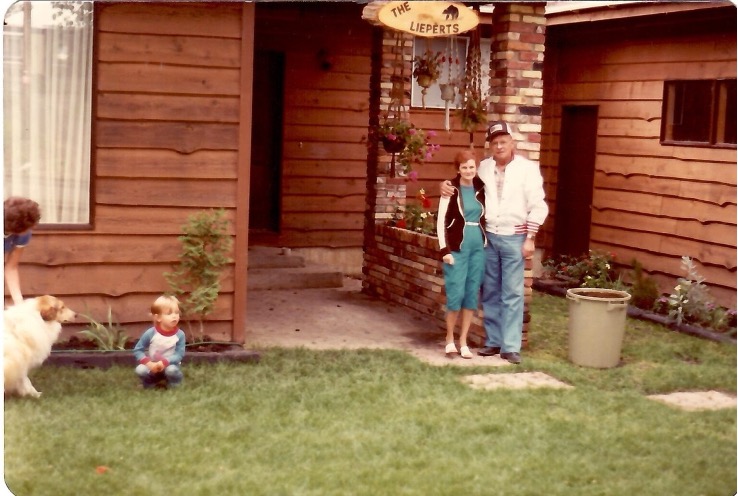
Early in 1977, we purchased a lot in a community called Antler Lake about 20 miles east of Sherwood Park. Lot prices were very inexpensive since the community did not have municipal water or sewer. We also had enough money to purchase a nice 3-bedroom, 2-bath prefabricated house and I was the general contractor. Arrangements had to be made to pour the basement, drill a well and install the sewer system.
Linda’s cousin’s husband Dick Ewert was the type of person who relished in these kinds of challenges, and he basically built the house with some help from me. We moved into our Antler Lake house on Grey Cup Day 1977. That game will always be remembered because the Montreal Alouettes, used staples in their shoes for traction to slaughter the Edmonton Eskimos in the snow and icy conditions.
Covering the legislature for CFCW was a huge break in my career. I moved from reading the news in a studio to “on the street” reporting.
Establishing relationships with senior ministers helped create a niche in reporting for CFCW. It also led to “lighter side” relations such as the annual softball game. I considered it a “feather-in-the-cap” when the Calgary Herald chose our softball game picture as part of the tribute to Lougheed at his passing.
Broadcast News gave me the opportunity to be a national reporter and on August 16, 1977, it was a 5-hour flight from Edmonton to St. John, New Brunswick and then to St. Andrews by car the next day. With the 3-hour time difference it was evening, so I checked into the hotel and went down to the bar for a drink. There was no social media in those days so the only access to developing news was radio or television.
There were only 3 other people in the bar. One older gentleman leaned over to the other two guys and said, “did you hear, Elvis died today.”
My immediate reaction was these old Maritimers had too much to drink and went back to thinking about my assignment the next day covering the Premier’s conference. Waking up the next morning to radio newscasts totally devoted to Elvis’ death, meant no one in the country would be taking notice of reports from the Premier’s conference happening in St Andrews by the Sea, New Brunswick.
Many of the events such as First Minister’s conferences didn’t have much excitement or “feel good” effects when done. Never having been much of a monarchist I had low expectations when assigned to cover the Royal visit of Prince (now King) Charles.
The prince visited the Calgary Stampede and was made an honorary chief of the Siksika First Nation at Blackfoot Crossing to mark the 100th anniversary of the treaty signing in 1877. Charles was 30 years old, not married and heir to the throne. Albertans lined the streets half a dozen deep to get a glimpse. He was a rock star and the energy generated by his presence completely changed my view of the importance of the British monarchy.
As a member of the royal tour accredited media, I had an opportunity for a few words at a special reception for journalists and developed a better understanding of the royal family challenges with the paparazzi.
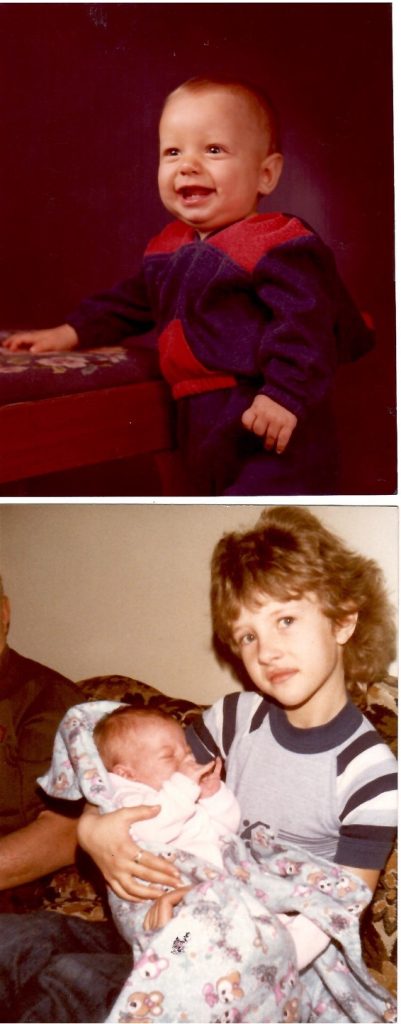
In March 1979 we adopted Cody. He was not given up for adoption at birth but rather almost 3 months later when his mother determined that she could no longer take care of him. I will reference the challenges for our son periodically throughout the segments.
The legislature was my job but during the summer months it’s quiet around the building. This provided the opportunity, among other things, to cover another royal visit. Queen Elizabeth opened the Commonwealth Games in Edmonton in the summer of 1978 and visited several northern communities. It was the second royal visit that I covered.
The Lougheed government was extremely popular with Albertans, and everyone knew it. Trying to discredit the Premier and his government was not a winning strategy. I worked hard to rebuild a relationship but even though it was now television, the news content wasn’t much different than radio.
The results of the March 1979 election were almost a blessing. With Lougheed’s large majority there was no reason to change how the province was governed. From a reporter’s perspective that could only be interpreted as boring.
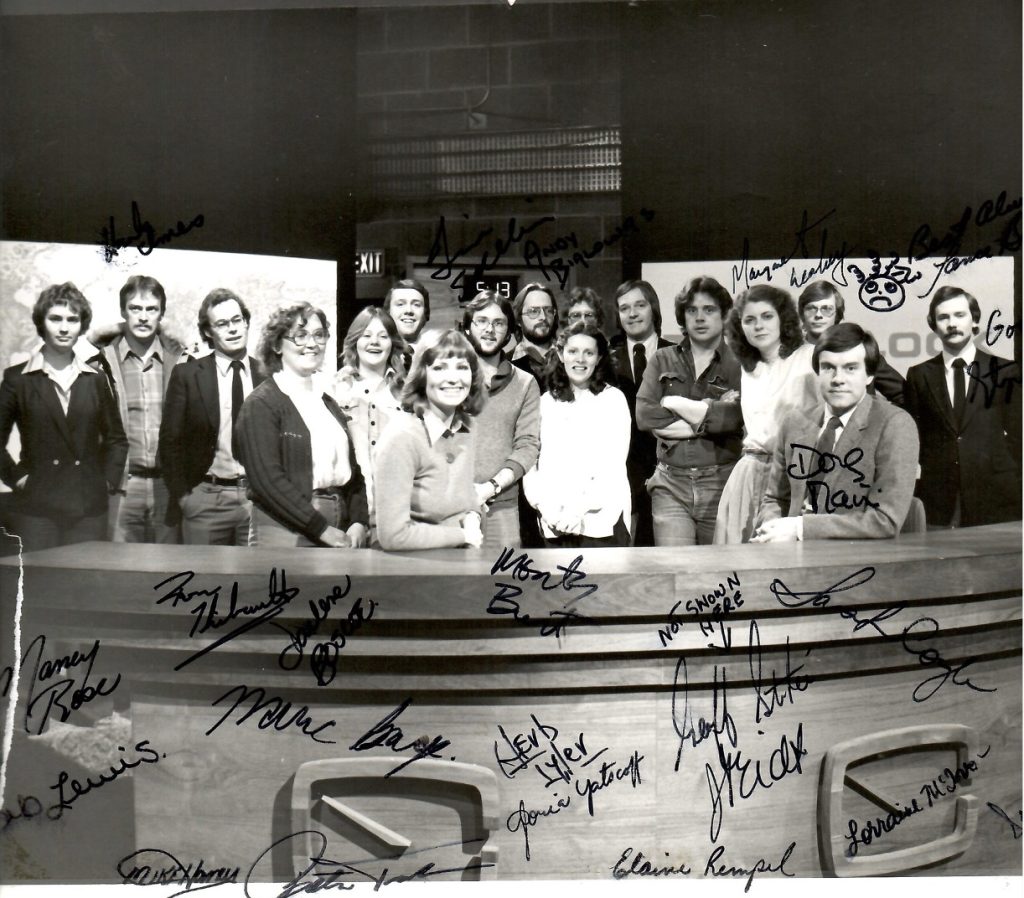
CITV recently hired an energetic reporter from New Brunswick, Margaret Leahy, who very much wanted to cover the legislative beat. Peter Tadman had been wearing two hats, News Director and Assignment Editor. Peter appointed me assignment editor, giving Margaret the Legislative beat. This was a case of win-win-win.
The assignment editor is responsible for determining which local news stories make up the evening newscast. Reporters and cameramen are then assigned by the desk to cover stories.
This would also be the first time in my career that a success measurement was available. Television ratings determine advertising dollars and eventual profit margins. There are specific ratings for evening newscasts so a portion of the ratings success would depend on which stories make up the newscast and whether viewers liked the choices made.
Ratings take place over a two-week period in the spring and again in the fall. I did not assume the role in 1979 until after the spring ratings period and unfortunately had moved on before the fall ratings were made public, but I am sure they were very good.
Just prior to Christmas 1979, Premier Lougheed’s Press Secretary Joe Hutton announced that he would be leaving the role he held since Lougheed assumed office in 1971. Bob Giffin was now Chief of Staff to Lougheed and was tasked with finding a replacement.
Like the Elvis announcement in the bar, I remember the moment precisely. Standing over the kitchen sink peeling potatoes, looking into a snowy backyard of our Antler Lake acreage, when the phone rang. The call from Giffin would change my life forever.